
commentary/opinion
AI in Game Development Could Expand Who Gets to Make Ambitious Games
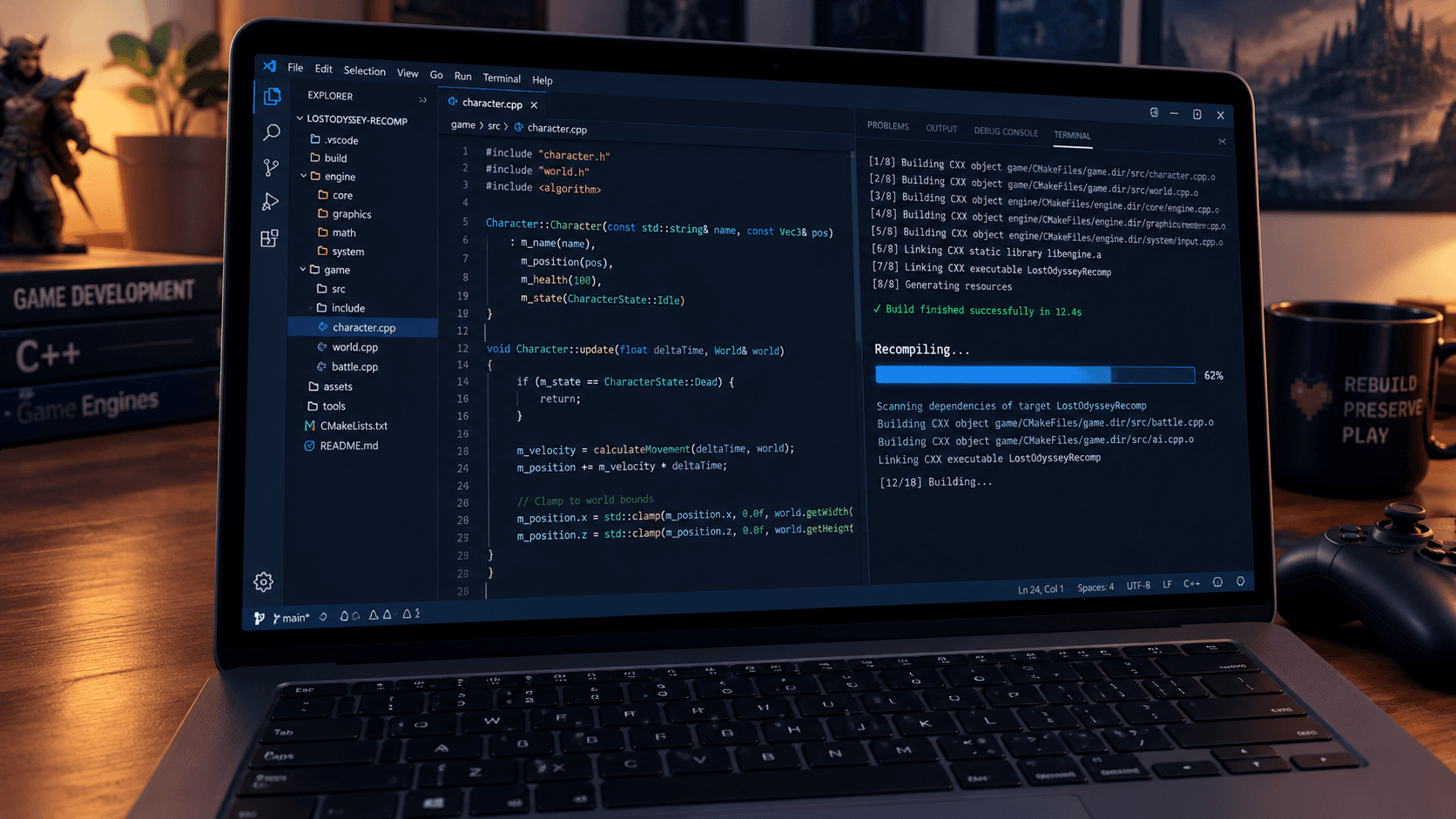
AI in game development may help smaller teams stretch their capacity, but it won’t make every production problem disappear. The bigger opportunity, in my view, is that games can be made at different scales and preserved through different kinds of ownership and stewardship. The tools matter, but so do the people who fund a project, set its rules, and keep it alive after its original creators move on.
Ambition has always needed someone willing to back it
Game development has never been separate from business. Creators can have bold visions, but publishers and platforms still need to believe there is a reason to back them.
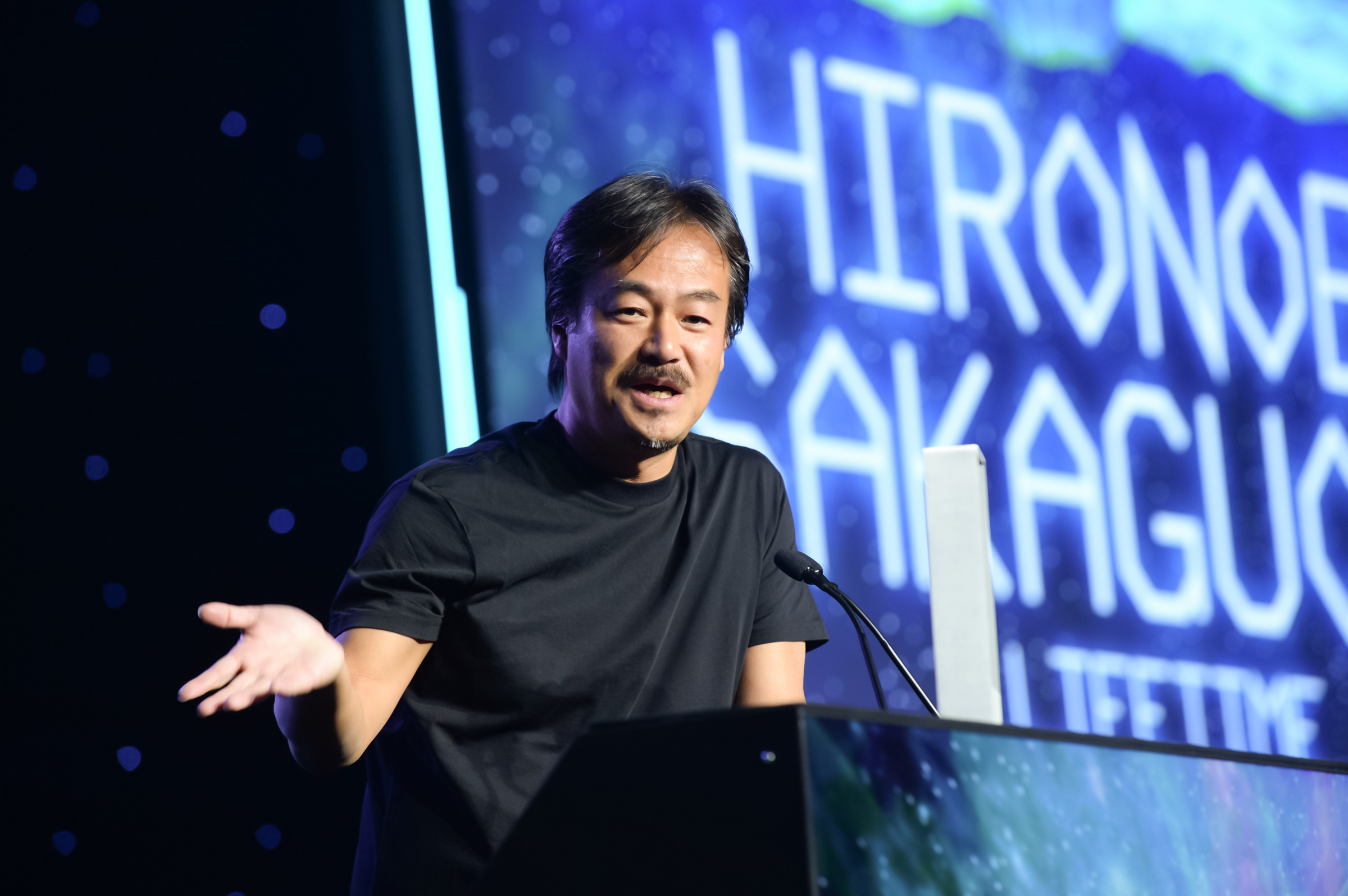
Hironobu Sakaguchi described Final Fantasy as a last-ditch effort. In a 2007 Famitsu interview, he said that if the game failed, he would leave the industry and return to university. But the project was reportedly approved after Dragon Quest had shown that there was an audience for the genre. That’s not pure auteur freedom; it’s a creator-led gamble backed by a commercial bet. (MCV/Develop, 2007)
Hideo Kojima described the PlayStation as a platform that could bring Metal Gear Solid closer to his original vision. He wanted to approach film, while also insisting that the game still had to be fun to play. Again, creative ambition existed within practical limits, not outside them. (1997 Famitsu interview, translated by Shmuplations)
Today, some of those limits have become expensive. The UK Competition and Markets Authority’s 2023 report cited publisher descriptions of AAA budgets reaching $200 million or more for some games. That is not the cost of every major release, but it illustrates the scale of investment certain productions can demand. (CMA report)
When a project carries that much risk, it can be understandable for a publisher to favor familiar audiences, established series, and production plans it believes it can control. That does not make large games inherently uncreative. It does mean that financial risk can shape which ideas get a chance.
AI in game development could stretch capacity not erase scale
New tools may give smaller teams more room to experiment. Developers report using generative AI for tasks such as research, code assistance, and prototyping, according to the GDC 2026 State of the Game Industry report. These tools could let teams spend less time on some tasks or attempt work that would otherwise be out of reach.
The possibility is worth exploring, but it is not yet a proven production revolution. The available evidence does not show that AI has reduced AAA budgets or made small teams equivalent to AAA studios. Nor does generating code or content automatically solve quality assurance, discovery, legal rights, coordination, or long-term support.
I’m hopeful that AI can help more creators stretch limited resources. But the most interesting outcome may not be “small teams can now make AAA games.” It may be that more teams can make distinctive games at a scale they can sustain—and that larger teams can still pursue ambitious work when someone is willing to fund it.
That is my bet, not an established result. I would rather see creative games flourish at different scales than assume that only the biggest productions can be ambitious. And while I sometimes find the risk incentives behind corporate releases limiting, that is not the same as saying big studios or franchises are incapable of creativity.
Think in three overlapping models not a replacement for studios
It may help to separate three questions that often get bundled together:
Who backs the project? A publisher, a studio, a community, or some combination?
How is it made? Through traditional production, AI-assisted work, automation, or a mix?
Who controls and maintains it? A rights-holder, a studio, a community, or multiple parties?
These are overlapping dimensions, not three stages in an industry evolution. AI may change how people work; by itself, it does not transfer ownership, legal rights, or responsibility for maintaining a project.
That distinction matters because community development takes more than a public code repository. It also needs shared knowledge, contribution rules, maintainers willing to review changes, and plans for what happens when people disagree or leave.
OpenTTD shows both the promise and the limits of preservation
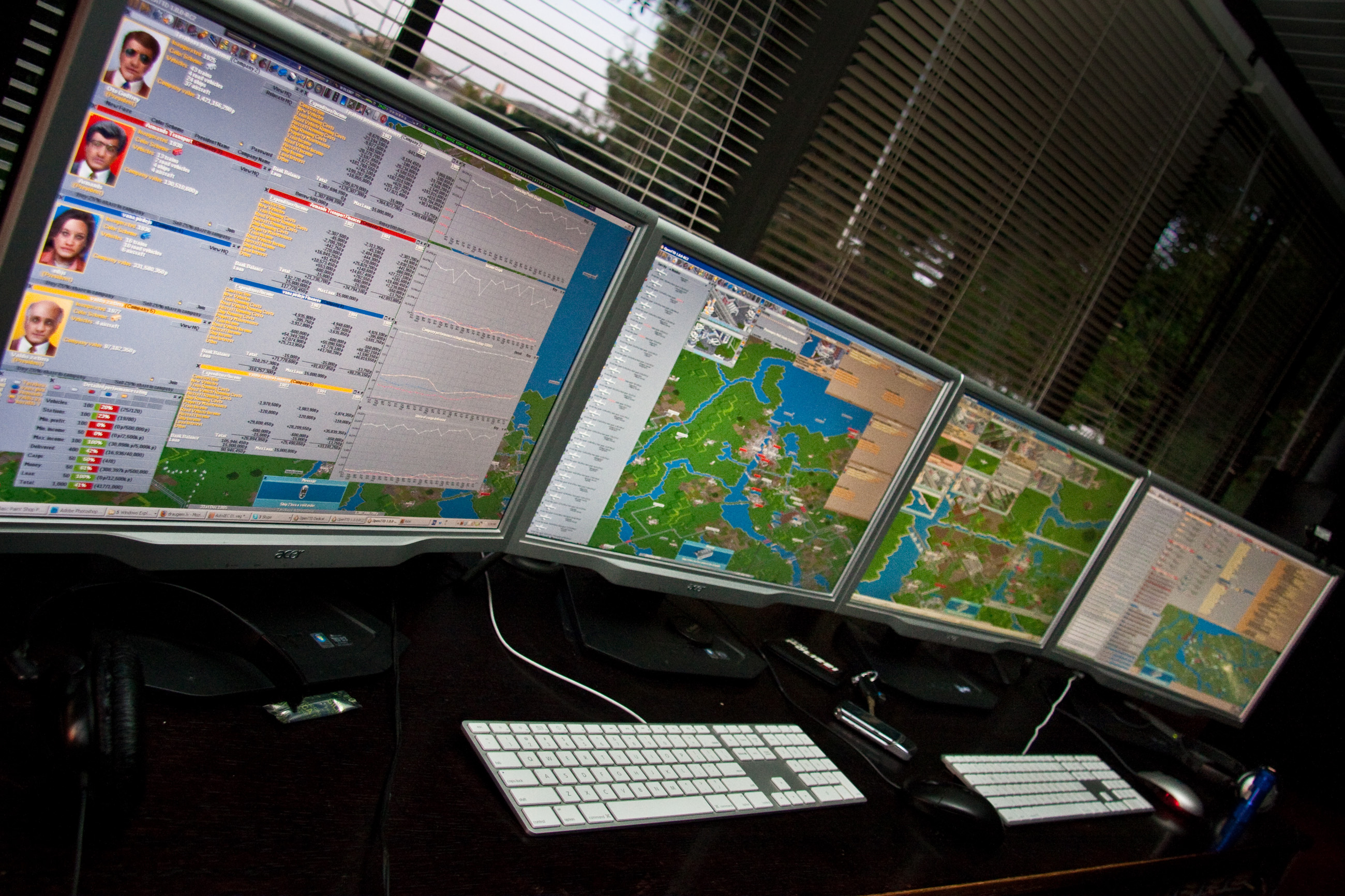
OpenTTD is a useful example of a project that grew into a community-maintained effort, but it did not begin as a community project. It started as an individual project by Ludvig Strigeus in 2002, became open source in 2004, and is licensed under GPL v2. (OpenTTD’s history)
Community-created OpenGFX, OpenSFX, and OpenMSX assets helped make the first fully standalone 1.0.0 release possible in 2010, without requiring the original game data. The project has also gained multiplayer, modding, and custom AI features. This is a compelling preservation model: a game can become more independently usable and extendable through years of community work.
The need for preservation is real, though it is important to describe it precisely. The Video Game History Foundation estimated that 87% of classic games in its U.S. sample are commercially unavailable, not that they are all lost. (VGHF study)
Open source does not automatically settle every question about a game’s underlying intellectual property, nor does it guarantee access on every platform. Atari acquired Transport Tycoon in 2024 and re-released it in 2026. OpenTTD announced changes to its Steam availability; it remains free from its own website. Those events show that rights-holders and storefronts can still influence how people encounter related games, even when a community project has its own life. (Atari acquisition announcement; OpenTTD Steam changes and update)
Preservation, then, is not just “put the code online.” It also means making the project understandable, maintaining its tools and assets, and being honest about which rights or services remain outside the community’s control.
Faster contributions still need stewardship
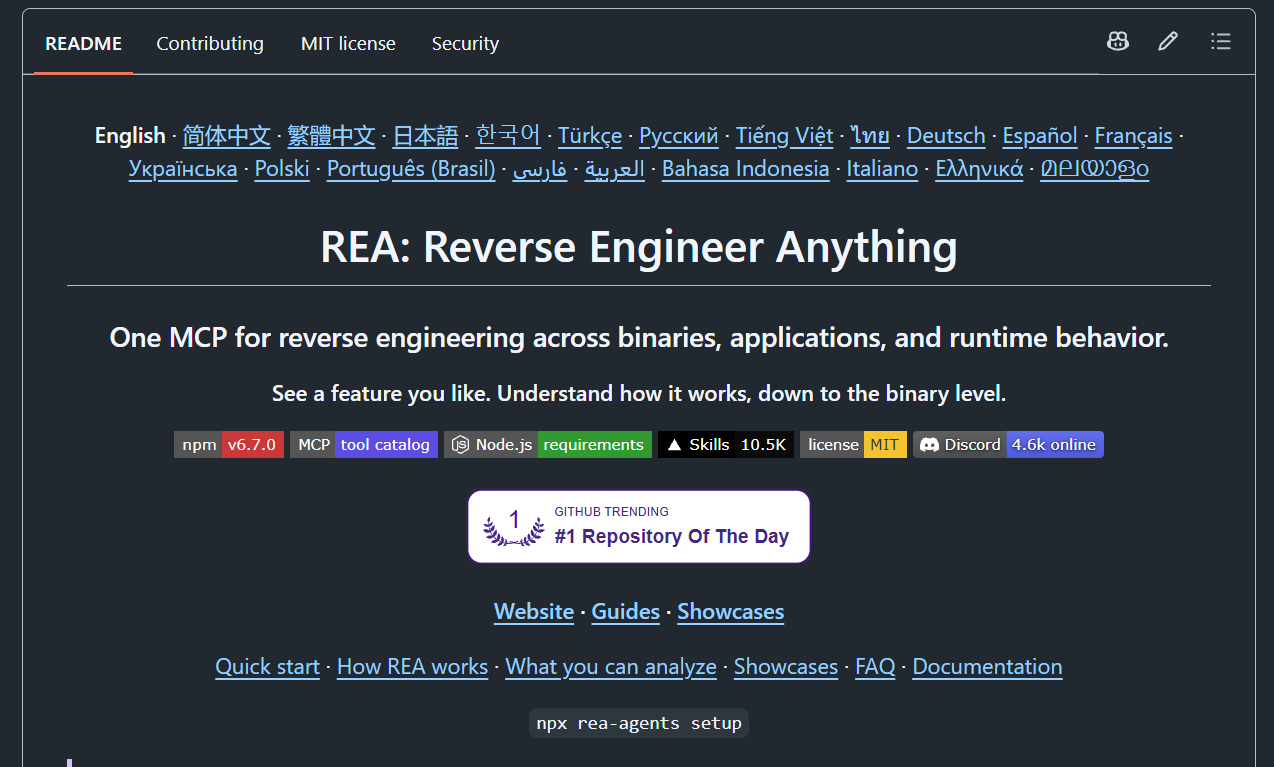
Recent attention around AI-assisted decompilation and porting can make it tempting to treat AI as the origin of this work. It isn’t. Human-led reverse-engineering projects and tools predate the current wave; AI is a recent accelerant in some cases, not the beginning of the scene. REA (Reverse Engineer Anything), one tool connecting AI agents with reverse-engineering workflows, is part of that newer landscape, but I found no evidence that it caused the broader surge. (REA’s repository)
The tension is also not simply “communities hate AI.” Policies differ. Godot, for example, has a strict contribution policy: it rejects substantial AI-authored code and autonomous-agent or “vibe-coded” contributions, while allowing limited help for menial tasks. Its policy cites review demands and the importance of contributors understanding the code. (Godot policy; contribution rules)
OpenTTD’s project likewise says it does not accept LLM-generated issues or pull requests. Other projects set different rules, including outright bans or requirements shaped by copyright and provenance concerns. Those are project decisions, not a universal community consensus. (OpenTTD contribution policy)
The risk I see is that high-profile, quickly assembled ports or mashups can overshadow careful work that came before them. Maintainers of projects affected by recent activity have described hurried ports, hostile forks, and confusion between decompilation and a playable PC port. Those are maintainers’ accounts, not independent measurements of the entire scene. Still, they point to an important question: who checks the work, documents it, credits earlier contributors, and takes responsibility for what happens next?
AI may lower the effort needed to produce a first contribution. It does not remove the need for someone to review it, understand it, and stand behind it.
The future worth betting on
Ambitious games do not belong exclusively to massive studios, and small teams do not need to imitate AAA production to make something meaningful. Publishers can still back risky creative visions. Smaller developers may use AI-assisted tools to extend their capacity. Communities can build projects that endure beyond one company or creator, if rights, knowledge, rules, and maintenance are treated as part of the work.
For me, that is the hopeful possibility: not one model replacing another, but more ways for people to make and preserve games. AI can be part of that future. It cannot be the whole plan.
Conversation 0
No comments yet. Start the conversation.
Sign in to join the conversation.