
review
Valheim Review: The Co-op Survival Game That Converted a Single-Player Fan
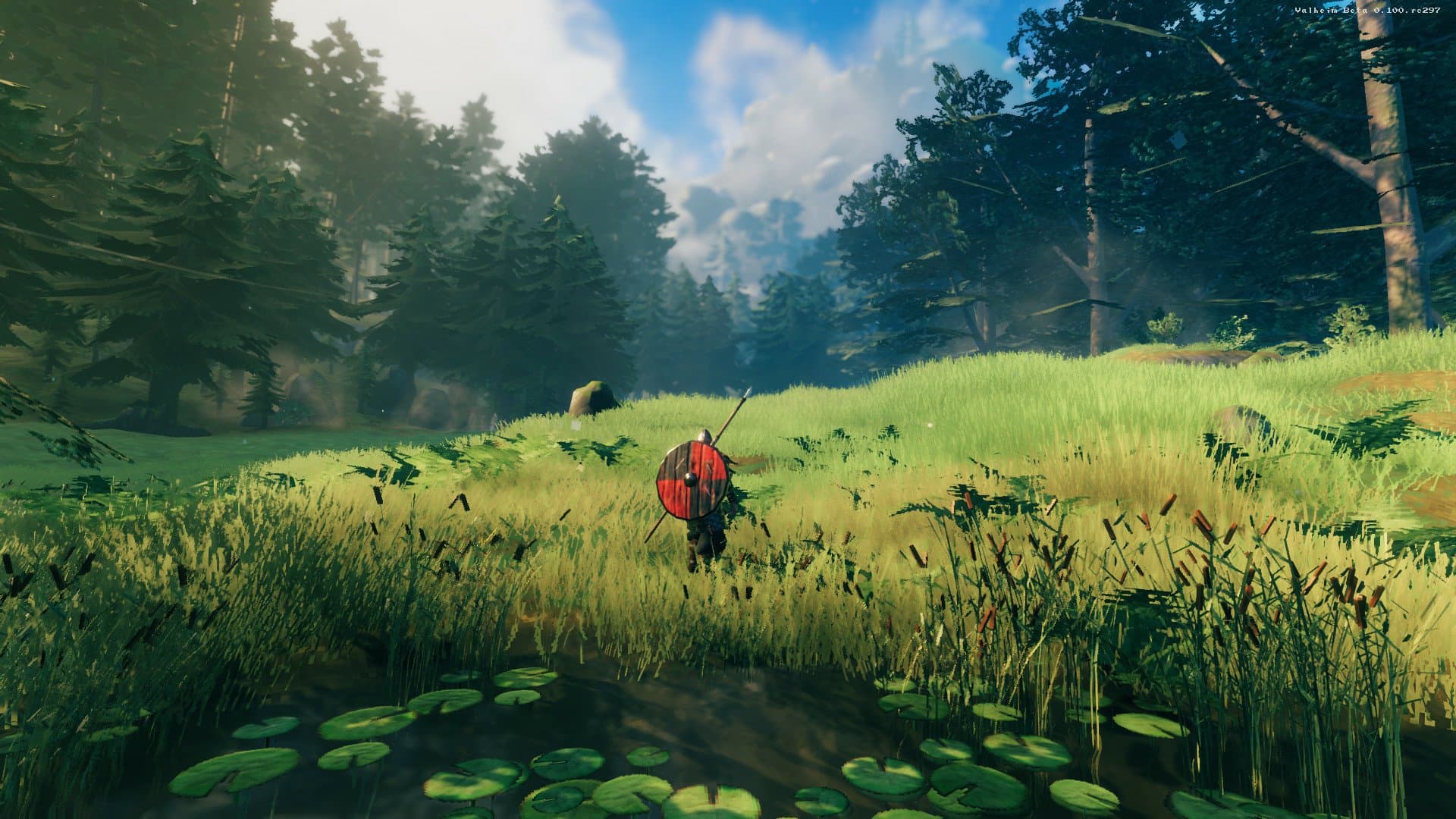
I was a single-player gamer before Valheim, and smug about it: long RPGs, quiet weekends, nobody else's schedule to work around. Then I bought it on Steam because of peer pressure from my friends, spun up a server, and by the 100-hour mark I was proud of a longhouse and refusing to eat from a chest I had stockpiled myself.
I have played 136 hours of Valheim, starting in Early Access and continuing into 1.0. Where this review covers content I have not played through myself, I say so and go by Iron Gate's patch notes and developer statements rather than pretending otherwise.
How I played: Steam on PC, Intel Core i5-10400, GTX 1060 6GB, 16 GB DDR4 3600, co-op with a group of four.

What Valheim Looks Like Now That 1.0 Is Out
Valheim entered Early Access on 2 February 2021 and launched 1.0 on 9 September 2026, per Iron Gate's announcement; as of 16 October 2026 it sits on patch 1.0.20.
On Steam it costs PHP 910.00 at full price, checked on 16 October 2026, with no base-game discount live (bundles are discounted); the US base price rose to $29.99 from $19.99. It is also on Xbox, PS5, Switch 2, and the Microsoft Store, with the last two added at 1.0. Crossplay works across platforms, cross-save only between Xbox and the Microsoft Store PC version, and it left Game Pass on 30 September 2024.
The Core Loop: Grind Gear, Hunt Food, Fight the Boss
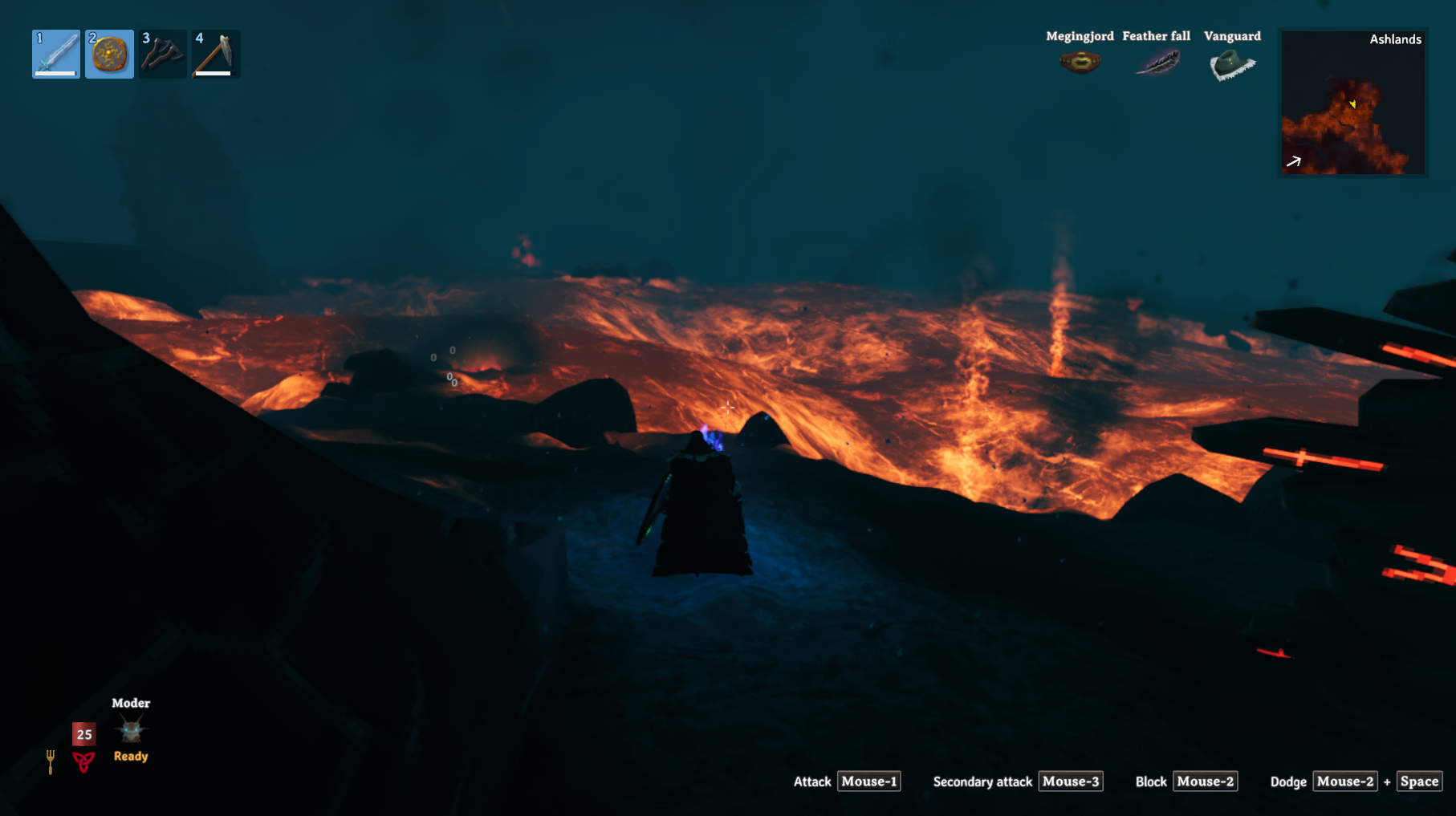
The loop is what my notes say: grind for gear, hunt for food, fight the boss. Three food slots are active at a time, and food and gear tiers align to biomes, roughly one tier per biome from the Meadows through the Deep North.
One structural thing up front: there are no quests, even at 1.0. Direction comes from Hugin and Munin's tips, runestones, vegvisir markers, the achievement list, and the 1.0 cutscenes, so the collectibles and side activities I enjoyed were goals my group set for ourselves.
Valheim Review: The Co-op Freedom That Kept Me Playing
Here is the part I keep coming back to: nobody is assigned a role. You can join the boss hunt, or you can stay at camp and build. Some nights my group of four did not fight anything at all. We just roofed a house and argued about the kitchen placement.
It never handholds you into a job and never punishes you for sitting out a fight. You can be the base builder who only shows up for boss fights while your teammates supply the equipment, food, and buffs you need, and mounting a boss trophy on its stone grants that boss's Forsaken Power.
No PH or SEA Servers, Which Filipino Groups Should Know
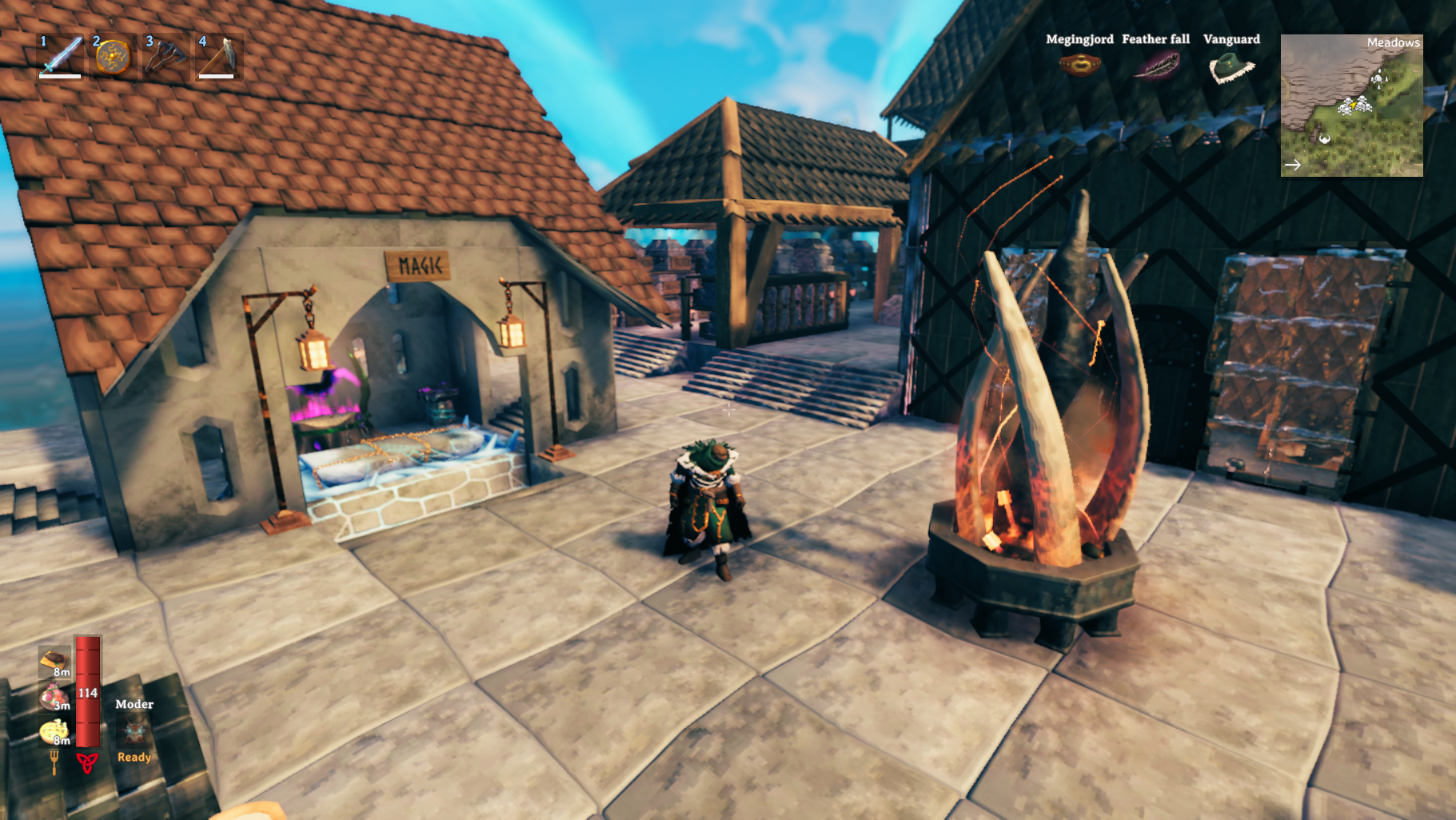
There are no Philippine or Southeast Asian servers. Multiplayer is player-hosted co-op or a rented third-party server, so ping depends on where the host sits, and Filipino groups with friends abroad should agree early on who hosts. Worlds support 1 to 10 players, and crossplay lets a friend on PS5 or Switch 2 join a Steam-hosted world.
Every Seed Is Different, and That Is the Point
The world is procedurally generated when you start, so everyone's map is a different layout. Same seed, same world; different seed, different geography.
Biomes and Boss-Gated Progression, Explained
Each biome's boss is the practical gate to the next stage. There is no hard lock, but bosses drop the key items, powers, and material access you need to move on.
The Full Biome Order, With Each Boss
Meadows — Eikthyr
Black Forest — The Elder
Swamp — Bonemass
Mountain — Moder
Plains — Yagluth
Mistlands — The Queen
Ashlands — Fader
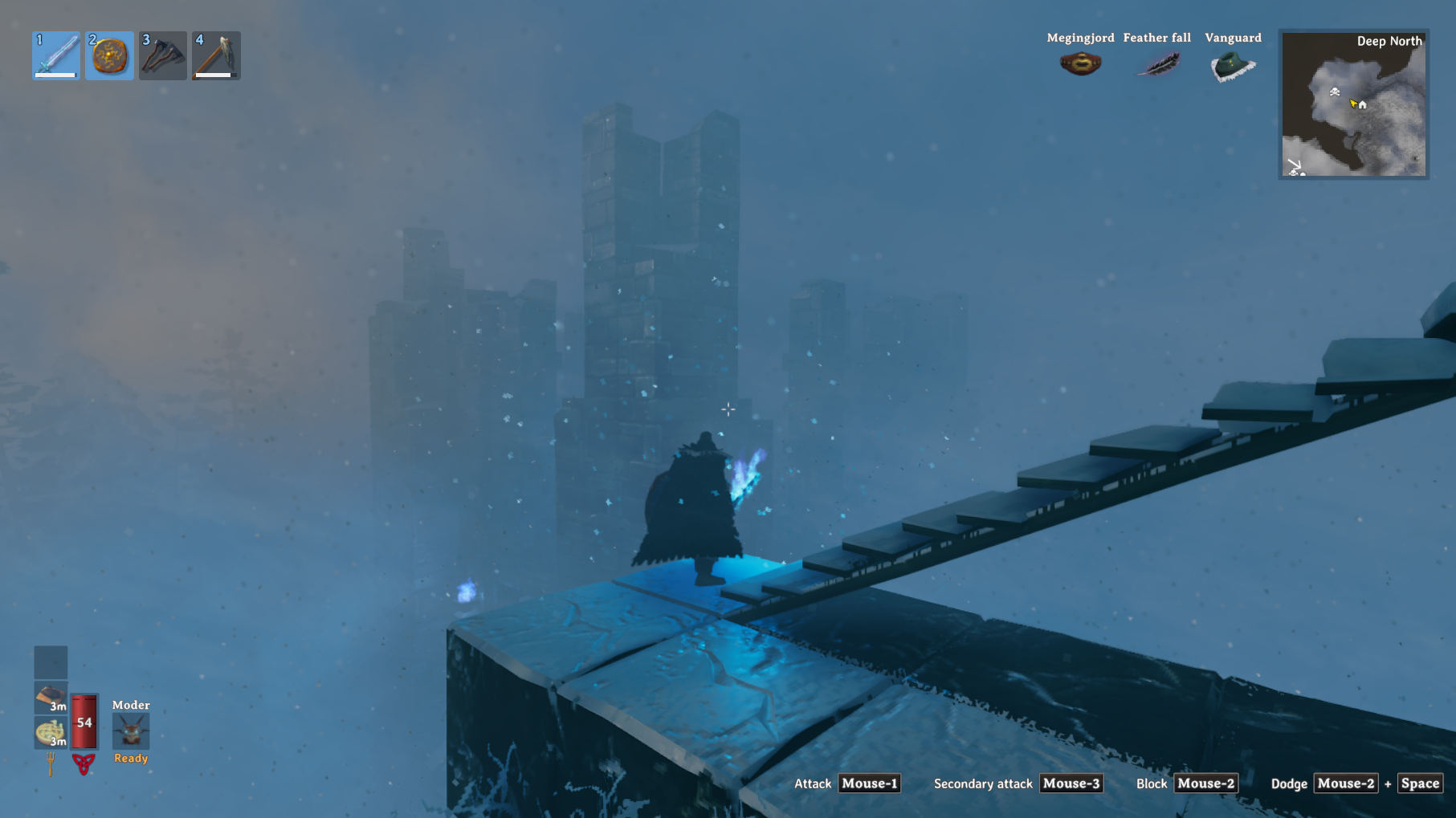
Deep North — Kall Fimbulbringer, added in 1.0
Runestones and Vegvisir Are Not the Same Thing
These two are not the same thing, and I blended them at first. Runestones are the red-rune stones carrying lore and tips; a vegvisir is the special runestone that marks the nearest location of the relevant boss on your map. One is worldbuilding, the other is navigation.
What 1.0 Added in the Deep North
Per Iron Gate's patch notes, 1.0 completed the Deep North as the eighth and final biome, with its own boss, dungeons, gear and food tier, and an ending with post-boss cutscenes. Old saves still work, but new content only generates in unexplored areas, so Iron Gate recommends a fresh world for the Deep North.
Playing by Its Rules: The Stamina and Combat Lesson
For years I played games by asking them to be what I already liked. At some point in Valheim, I stopped imposing my preferences on it and accepted it for what it is, which opened a new perspective on what the game was telling me. Practically: stop fighting the mechanics you dislike, accept that they are what they are, and play by the rules the game sets. It rewards you for that in my experience. That is my own read rather than a universal law, but try it the next time a system annoys you.
Stamina Is a Resource to Manage, Not to Fight
Per the Valheim Wiki's stamina page, stamina regenerates at a mostly fixed rate: roughly 6 per second when the bar is nearly full, up to about 12 per second when it is nearly empty, after a pause of about a second following any action that spends it. The rate is absolute rather than scaled to your maximum, so a bigger food-granted pool means more capacity but proportionally longer recovery; the skill is timing and pacing, not a bigger bar. Blocking slows regeneration, and running, sneaking, swimming, and jumping keep draining it.
Coming from Souls games, stamina there snaps back the moment you stop acting while Valheim's feels gradual, my own impression rather than a documented fact. So I treat stamina as a clock.
The Right Mead at the Right Moment
Minor Stamina Mead restores 80 stamina over 2 seconds; Medium Stamina Mead restores 160 over 2 seconds, both instant-restore with a 2-minute cooldown. Tasty Mead gives +100% stamina regeneration but −50% health regeneration for 10 seconds, and its bonus is interrupted by any stamina-spending action like attacking or sprinting. Lingering Stamina Mead gives +25% regeneration for 5 minutes, is not interrupted, and blocks other stamina meads while active. Meads are brewed at the Mead Ketill and finished in a Fermenter since The Bog Witch update. The skill is reading the fight and popping the right mead at the right moment.
Parrying Turns Defense Into a Free Action
A parry is a block within a short window of about 0.25 seconds before an attack lands, and it staggers the attacker. A successful parry costs zero stamina; a regular block costs up to 10. Iron Gate locked that in with the Call to Arms update in September 2025, whose patch notes state that "Perfect Block no longer cost stamina." Most weapons and shields can parry, not just shields, and bonuses vary by item type; tower shields cannot parry at all.
Combat Is Complex Until It Clicks
Combat, in my opinion, is complex if you do not know it and rewarding if you do. Dodge rolls cost about 15 stamina, and dodging an attack returns half of that. A block fails in two documented ways: your stagger bar fills and you take the raw, unreduced damage, or you run out of stamina and the block fails outright. That is the concrete punishment for mistimed blocks and poor stamina management. Light and alternate attacks exist, the third hit in a chain deals double damage, and damage type matters because enemies have resistances, weaknesses, and weak points. The game is not unfair when it punishes you; it is asking whether you read the fight.
Conversation 0
No comments yet. Start the conversation.
Sign in to join the conversation.